Carbon Filters
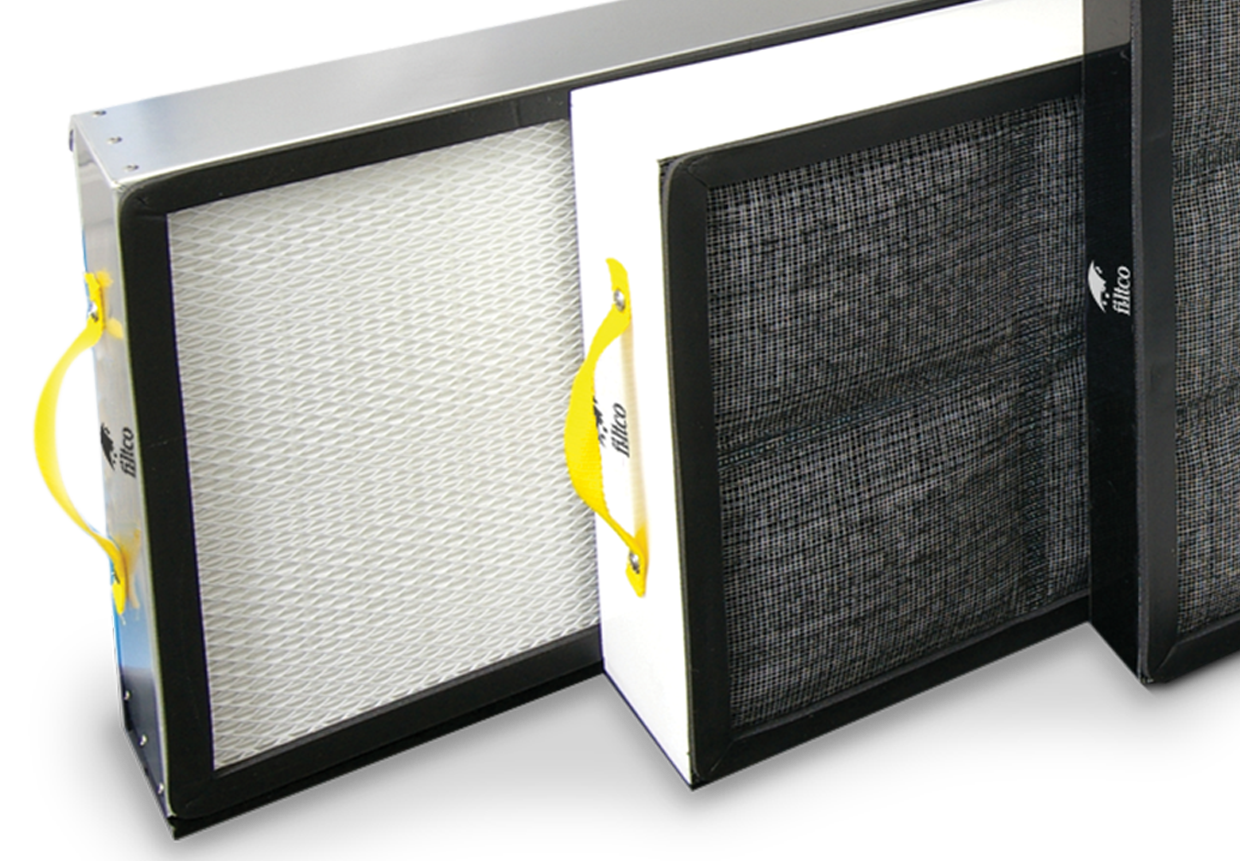
Air Science® carbon filters are based on enhanced, activated carbon particle formulations from specially selected, naturally occurring raw material superior to wood or other organic sources. 
 
Our carbon is treated to attain the proper porosity and aggregate surface area and to react with several ranges of aerosolized chemicals moved through the filter by an air handling blower.
 
The following table specifes the standard formualtions of carbon available within our MultiPlex™ Filtration Technology. To review your application in more detail click here.
 
Formula
Description
GP Plus!
The most widely used filter in the range, primarily for solvent, organic, and alcohol removal.
ACI Plus!
Designed to neutralize volatile inorganic acid vapors
ACR
Iodine and methyl iodide vapors.  It is frequently used for iodination reactions with lowe level radioactive iodine.
ACM
Mercury vapor
AMM
Removes vapors from dilute ammonia solutions and to remove low molecular weight amines.
SUL
Designed to remove hydrogen sulphide and low molecular weight mercaptans.
CYN
Removal of hydrogen cyanide.  Many cyanide compounds will evolve HCN gas id acidifies, so this filter is normally specified if working with any cyanide compound.
FOR
Designed to oxidize formaldehyde and glutaraldehyde fumes.  It is widely used in hopitals pathology laboratories.
ETH
Diethyl ether is adsorbed on activated carbon, but because of its low boiling point, the local head adsorption can reduce the capacity of the filter.  Special impregnation allows a chemical reaction which increase the filter capacity.
EDU
Designed to handle chemicals normally used is a university level chemistry curriculum.
MIL
As the name implies, this filter is designed for military applications involving war gasses.
HEPA/UPLA
Powders and particulates
EFT®
 
Air Science®  120 6th Street  Fort Myers, FL 33907
T/ 239.489.0024  Toll Free/800.306.0656  F/800.306.0677
info@airscience.com
©2013 Air Science® USA LLC. All rights reserved. Web site by OffWhite.